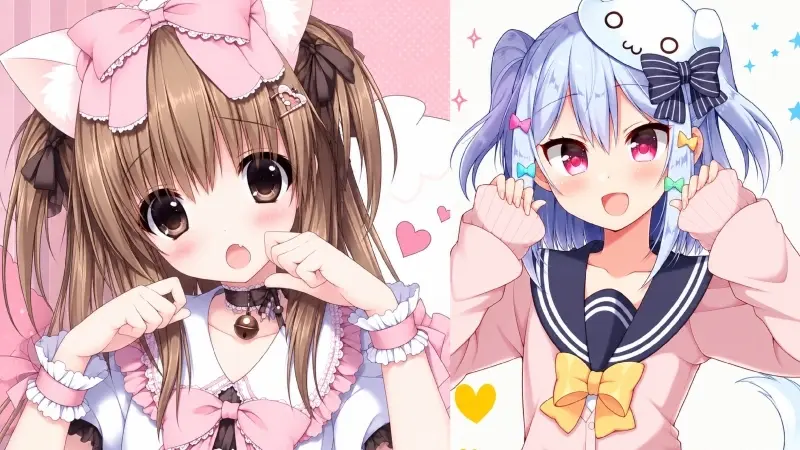
Doujen Moe combines two major aspects of Japanese fan culture: “doujinshi,” which refers to self-published or fan-created works, and “moe,” a word used to describe affection for lovable fictional characters known for their innocence, charm, or emotional appeal. Together, these concepts form a unique artistic style that has become increasingly popular among anime and manga fans worldwide.
In 2025, this genre will no longer be viewed as a small internet trend. Instead, it has developed into a creative movement centered around emotional storytelling, fan expression, and independent artistry. Social platforms such as Pixiv, Booth, Reddit, and TikTok have helped this genre expand rapidly by giving artists a space to share their work with global audiences.
This growing trend reflects how modern fandoms connect through creativity and emotional attachment to characters. From digital illustrations to fan comics and short animations, it continues to influence online anime communities in meaningful ways. This guide explores its background, artistic evolution, and the reasons behind its rising international popularity.
Table of Contents
ToggleThe History and Cultural Background
The roots of this movement are closely connected to Japan’s long-standing doujinshi culture. Doujinshi are independently published works usually created by fans, hobbyists, or small artists who want to produce stories outside traditional publishing systems. Events such as Comiket played a major role in helping these creators distribute their artwork, alternate storylines, and fan interpretations of existing franchises.
At the same time, the idea of “moe” became highly popular during the late 1990s and early 2000s. Anime fans used the term to describe a strong emotional attachment to characters who appeared adorable, gentle, shy, or emotionally expressive. These characters often inspired feelings of care, comfort, and admiration among viewers.
As fan artists began combining doujinshi creativity with moe-focused character design, a new style slowly emerged. Over time, this artistic blend became recognized as this aesthetic. The term itself was not officially created by any company or organization. Instead, it naturally evolved within anime fandom communities and online discussions.
During the late 2010s and early 2020s, digital art platforms accelerated the popularity of this genre. Independent artists from around the world started producing emotionally driven fan art inspired by anime aesthetics and moe culture. By 2025, it had grown into a recognized part of online anime culture, appreciated by creators, fans, and even cultural researchers studying modern fandom trends.
Artistic Style and Emotional Themes in Doujen Moe
One of the biggest reasons Doujen Moe stands out is its strong focus on emotional storytelling combined with visually comforting artwork. Unlike many fast-paced anime genres, this style prioritizes warmth, softness, and emotional connection. As a result, fans often feel deeply attached to both the characters and the stories being told.
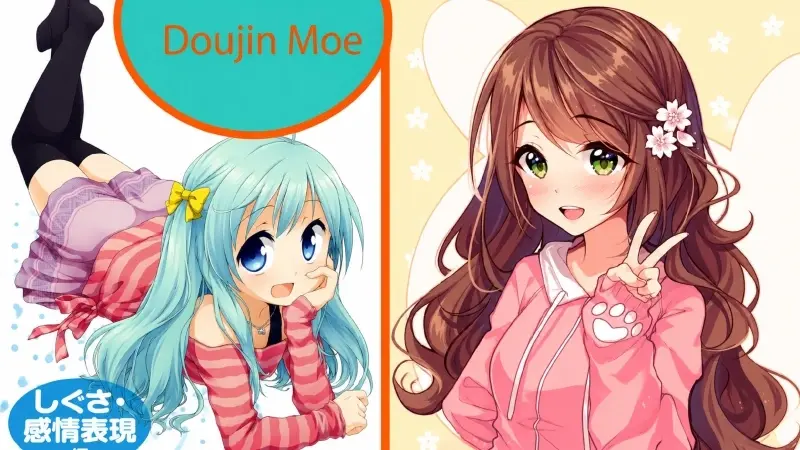
Artistically, Doujen Moe usually features characters with gentle facial expressions, large emotional eyes, and soft, rounded designs that enhance their adorable appearance. In addition, artists commonly use pastel shades, delicate line work, and simple yet expressive backgrounds to create a calm and cozy atmosphere. Clothing designs may vary from fantasy-inspired outfits to everyday casual fashion, depending on the mood of the story.
Moreover, the emotional themes within Doujen Moe play an equally important role. Most stories focus on wholesome friendships, emotional healing, shy romance, or personal self-discovery. Instead of relying on intense conflict or dark narratives, creators often prefer uplifting and emotionally meaningful moments that leave a lasting impression on readers.
For example, characters may blush during awkward conversations, hesitate while expressing feelings, or quietly admire someone they care about. These subtle interactions are often known as “moe moments,” and they are considered the emotional core of the genre. Rather than dramatic action scenes or unexpected plot twists, Doujen Moe highlights small but heartfelt experiences that create genuine emotional resonance.
Why Doujen Moe Is So Popular in 2025
In 2025, Doujen Moe has become one of the fastest-growing trends within anime and manga fandoms. Several factors have contributed to its widespread popularity and increasing global influence.
First of all, modern translation technology has made international fan interaction easier than ever before. Fans from different countries can now quickly translate, share, and enjoy Japanese fan-created content without major language barriers. Consequently, Doujen Moe communities have expanded far beyond Japan and reached worldwide audiences.
Additionally, social media platforms such as TikTok and X (formerly Twitter) have accelerated the growth of anime-related micro-trends. Through short videos, fan edits, and digital illustrations, hashtags like #DoujenMoe can gain massive attention within just a few hours. This rapid sharing culture allows independent artists to showcase their creativity to millions of viewers online.
Furthermore, nostalgia has become another major driving force behind the trend. Many Millennials and older Gen Z anime fans grew up watching classic moe-style anime during the early 2000s. Now, those same fans are creating original artwork inspired by the emotional warmth and aesthetic style they once loved as viewers.
As a result, Doujen Moe has evolved into a modern creative revival that blends classic anime influences with contemporary digital artistry. It not only celebrates the emotional charm of older fandom traditions but also introduces them to a completely new generation of anime enthusiasts.
The Importance of Community and Connection in Doujen Moe
Fandom culture has always helped people discover communities where they feel understood, and Doujen Moe strengthens that feeling even further. Unlike mainstream anime and manga industries, which are often influenced by commercial goals and publishing trends, Doujen Moe thrives in creative spaces that value individuality, emotional expression, and artistic freedom.
As a result, fans connect through online communities such as Discord servers, Reddit discussions, and independent fan zines. Within these spaces, people share artwork, discuss favorite creators, and support each other through constructive feedback and creative collaboration. Consequently, Doujen Moe has become more than just an art style—it has evolved into a shared cultural identity for many anime enthusiasts.
In addition, recognizable visual themes and familiar character archetypes help fans instantly identify artwork connected to the Doujen Moe aesthetic. Soft emotional expressions, cozy atmospheres, and heartfelt storytelling create a distinct visual language that fans deeply relate to. Even the phrase “Doujen Moe” itself has become a symbol of emotional authenticity and community-driven creativity.
Furthermore, anime conventions have also embraced the trend. Artist alleys at conventions now often include special Doujen Moe-themed booths that showcase handmade creative items. These stalls typically display a variety of fan-made products such as stickers, decorative charms, art prints, and small comic zines. Rather than focusing on flashy spectacle, these products emphasize emotional comfort, nostalgia, and artistic passion.
How Digital Platforms Helped Doujen Moe Grow
The rapid expansion of digital platforms has played a major role in the worldwide success of Doujen Moe. In the past, doujinshi and fan-created works were mostly available only through physical conventions or small online communities. However, today’s creators can instantly publish, promote, and even monetize their content through websites like Pixiv, Booth.pm, Gumroad, and Patreon.
At the same time, social media has transformed into a powerful storytelling tool. Many artists now release their work in serialized formats through Instagram posts, X threads, or short-form TikTok videos. This approach allows fans to follow ongoing emotional storylines and remain connected to creators over long periods of time.
Moreover, fan translation communities have made the genre far more accessible to international audiences. Readers who do not speak Japanese can still enjoy Doujen Moe content thanks to volunteer translators and multilingual fan communities. Because of this accessibility, the genre continues to attract new audiences across different regions of the world.
Interestingly, the influence of Doujen Moe is no longer limited to Japanese media alone. Many Western artists have adopted its soft emotional style and incorporated it into fan art inspired by movies, games, comics, and animated series from outside Japan. Consequently, Doujen Moe has become part of a larger global creative exchange where different fandom cultures continuously inspire one another.
Cultural Significance and Future Outlook of Doujen Moe
Doujen Moe is not simply an artistic style; rather, it reflects a deeper shift toward emotional awareness within fandom culture. In today’s fast-moving digital world—where content is often shaped by algorithms, trends, and constant online pressure—many fans are naturally drawn toward media that feels comforting, personal, and emotionally grounding.
As a result, Doujen Moe has emerged as a kind of countercultural movement. On one hand, it embraces softness, slow storytelling, and emotional depth. On the other hand, it resists the heavily commercial direction of mainstream media by encouraging creativity that is community-driven rather than profit-focused. Consequently, it highlights artist vulnerability and genuine self-expression as core values.
Looking ahead, it is highly likely that Doujen Moe will influence a wider range of creative industries. For instance, independent artists may continue expanding its aesthetic, while larger anime studios, game developers, and publishers may also adopt their emotional storytelling techniques to connect more deeply with audiences. In this way, the genre’s impact could extend far beyond fan art communities.
Moreover, the concept itself may continue to evolve over time. New variations could emerge, such as “doujen nostalgia,” which focuses on sentimental memories, or “doujen horror,” which blends emotional softness with darker themes. Additionally, with advancements in technology, we may even see immersive VR-based Doujen Moe environments where users can interact with emotionally expressive characters in real time.
Conclusion
In summary, Doujen Moe represents a powerful intersection of emotion, creativity, and community. Originating from the independent spirit of doujinshi culture and the affectionate aesthetics of moe, it has grown into a meaningful movement within anime and manga fandom in 2025.
From its early roots in Japanese fan communities to its global expansion across digital platforms, Doujen Moe continues to redefine how people create, share, and experience art. Its emphasis on emotional storytelling, soft visual design, and supportive communities offers a refreshing alternative to fast-paced commercial entertainment.
Ultimately, whether someone is an artist seeking inspiration or a fan searching for emotional connection, Doujen Moe provides a welcoming space where creativity thrives, and feelings are valued. It is more than just a genre—it is a celebration of emotional expression and shared imagination.
FAQs
1. What does “Doujen Moe” mean?
Doujen Moe is a blend of “doujinshi,” meaning fan-created works, and “moe,” which refers to strong affection toward cute or emotionally expressive characters. Together, the term describes fan-made art and stories focused on warmth, emotion, and character-driven storytelling.
2. Is Doujen Moe the same as traditional doujinshi?
Not exactly. While doujinshi covers a wide range of genres and themes, Doujen Moe is more specific. It focuses mainly on cute character designs, emotional storytelling, and gentle, affectionate themes rather than action or complex conflict.
3. Why is Doujen Moe so popular in 2025?
Its popularity comes from its emotional comfort and nostalgic appeal. In addition, social media platforms like TikTok and Pixiv help it spread quickly, while translation tools allow global audiences to engage with it easily. Many fans also appreciate its calming and heartfelt nature.
4. Where can I find Doujen Moe art and stories?
Doujen Moe content is widely available on platforms such as Pixiv, Booth.pm, X (Twitter), Reddit, Instagram, as well as creator platforms like Patreon and Gumroad. It is also commonly featured at anime conventions in artist alleys.
5. Can anyone create Doujen Moe works?
Yes. Anyone can participate in Doujen Moe creation. Whether someone is a beginner or an experienced artist, they can express their ideas through drawings, writing, or digital design. The community values emotion and creativity more than technical perfection.