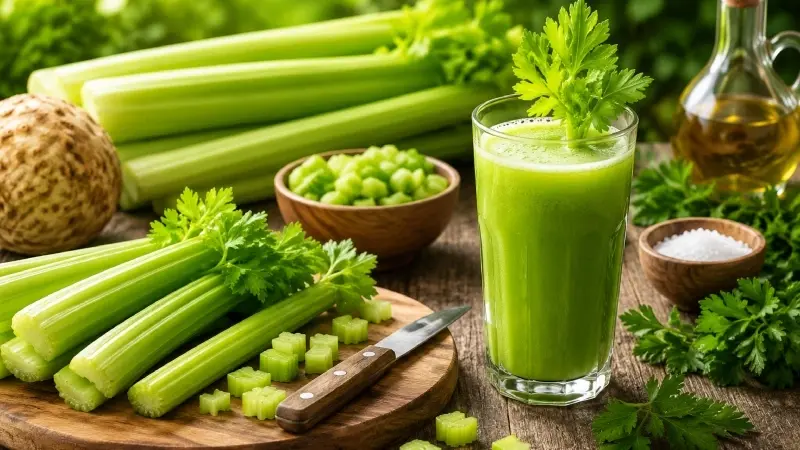
Picture walking through a garden in the early morning, when dew still clings to the leaves, and the fragrance of fresh herbs fills the air. Among the many shades of green, one plant deserves special attention—Pravi Celer, often called “true celery.” Although it is not as widely celebrated as other vegetables, this plant offers impressive nutritional benefits, culinary flexibility, and a long history of traditional use.
Pravi Celer is known for its crisp stalks, aromatic leaves, and earthy flavor. Beyond adding freshness to meals, it has been valued in many cultures for its connection to health and well-being. As interest in natural foods and sustainable living continues to grow, this humble plant is finding a new place in modern kitchens and home gardens.
This article examines the many aspects of Pravi Celer, including its historical background, nutritional value, potential health benefits, cultivation methods, and culinary uses. Whether you enjoy gardening, cooking, or learning about nutrition, you may find that Pravi Celer deserves far more recognition than it currently receives.
The History and Heritage of Pravi Celer
Early Origins in the Mediterranean Region
The story of Pravi Celer stretches back thousands of years and is closely connected to some of the world’s earliest civilizations. Historical records suggest that ancient societies valued this plant for both practical and symbolic purposes. In Egypt, celery-like plants were associated with ceremonial traditions, while Greek communities admired them enough to use their leaves in decorative crowns for honored individuals. Later, the Romans embraced the plant in everyday life, appreciating its distinctive flavor as well as its role in traditional wellness practices.
Unlike the milder celery commonly found in supermarkets today, early forms of Pravi Celer grew naturally in damp environments and developed a stronger aroma and richer taste. Because of these characteristics, it became a favored ingredient among cooks and herbal practitioners alike.
Expansion Throughout Europe and Beyond
Over time, the cultivation of Pravi Celer spread far beyond its original homeland. As trade routes expanded and cultures interacted, the plant reached many parts of Europe and Asia. During the medieval period, monasteries often maintained herb and vegetable gardens, and Pravi Celer earned a place among the plants valued for both nourishment and traditional remedies.
Furthermore, Renaissance-era herbal texts frequently mentioned celery-related plants for their potential role in supporting overall well-being. As farming techniques improved, growers developed different celery varieties suited to local climates. Nevertheless, the traditional form known as Pravi Celer remained especially popular in Mediterranean and Eastern European regions, where its bold flavor continued to be appreciated in regional cuisines.
Pravi Celer in Contemporary Cooking
As modern agriculture focused on producing larger and more uniform vegetables, many commercial celery varieties gradually became milder in taste. Pravi Celer, however, retained much of its original character, including its stronger flavor and impressive nutritional value.
Today, interest in traditional and nutrient-rich foods has renewed appreciation for this remarkable plant. Home cooks and professional chefs use it in hearty soups, vegetable stews, broths, and fresh seasonal dishes. In many traditional recipes, both the stalks and leaves are utilized to add depth of flavor. Its fresh, slightly peppery taste also pairs well with olive oil-based preparations, making it a valuable ingredient in modern plant-focused cooking.
Nutritional Value of Pravi Celer
Nutritional Composition (Per 100 g)
| Nutrient | Amount | Main Benefit |
|---|---|---|
| Calories | 16 kcal | Provides light energy with minimal calories |
| Dietary Fiber | 1.6 g | Supports healthy digestion |
| Vitamin K | 29 µg | Contributes to bone strength |
| Vitamin C | 3 mg | Helps support immunity and skin health |
| Potassium | 260 mg | Assists in maintaining healthy blood pressure |
| Folate | 36 µg | Important for cell growth and repair |
| Antioxidants | High | Helps protect cells from oxidative damage |
What Makes Pravi Celer a Superfood?
Pravi Celer offers much more than a refreshing crunch. It contains a combination of vitamins, minerals, fiber, and beneficial plant compounds that contribute to overall wellness. Because it is naturally low in calories and rich in water content, it can fit easily into a balanced diet while helping support hydration.
In addition, its fiber content promotes digestive health and may contribute to a healthier gut environment. The plant also contains natural antioxidants, including compounds such as apigenin and luteolin, which are known for their protective effects against oxidative stress. As a result, regular consumption of Pravi Celer may support long-term health while providing valuable nutrients without excessive calories.
For these reasons, many nutrition enthusiasts consider Pravi Celer a genuine superfood. Rather than relying on marketing trends, its reputation is rooted in centuries of use and a nutritional profile that continues to attract attention today.
Key Health Advantages of Pravi Celer
Supports Heart Function and Healthy Blood Pressure
Pravi Celer can play an important role in maintaining cardiovascular wellness. Because it contains a significant amount of potassium, it helps regulate the body’s sodium levels, which may reduce fluid retention and support normal blood pressure. In addition, naturally occurring plant compounds called phthalides assist in relaxing blood vessels, allowing blood to flow more efficiently. As a result, including Pravi Celer in a balanced diet may contribute to better circulation, improved heart performance, and a lower likelihood of developing high blood pressure over time.
Promotes Digestive Comfort and Reduces Inflammation
Another valuable benefit of Pravi Celer is its ability to support digestive health. The vegetable contains apigenin, a naturally occurring antioxidant that may help calm inflammation within the digestive system. Consequently, individuals who frequently experience bloating, indigestion, or digestive discomfort may benefit from adding it to their meals. Furthermore, its dietary fiber encourages regular bowel movements and supports the growth of beneficial gut bacteria, helping maintain a healthier digestive environment.
Enhances Skin Health and Strengthens Immunity
Pravi Celer is packed with antioxidants that help protect the body against oxidative stress and environmental damage. Vitamin C, one of its key nutrients, supports collagen formation, which is essential for maintaining firm and healthy-looking skin. At the same time, its high water content helps keep the body hydrated. Moreover, nutrients such as folate and vitamin K assist in cellular renewal and healthy blood function, making this vegetable a valuable addition to an overall wellness-focused diet.
Supports Natural Detoxification and Weight Management
Due to its naturally low calorie content and high fiber levels, Pravi Celer is often included in healthy weight-management plans. It helps create a feeling of fullness, which may reduce unnecessary snacking and overeating. Additionally, its mild diuretic properties encourage the body to remove excess fluids through normal urinary function while helping maintain electrolyte balance. Regular consumption may also contribute to steadier blood sugar levels and support healthy metabolic processes, both of which are important for long-term weight control.
Growing Pravi Celer at Home
Best Conditions for Successful Growth
| Requirement | Recommended Condition |
|---|---|
| Soil Type | Rich, fertile, and well-draining soil |
| Sunlight | Around 6–8 hours of sunlight daily |
| Watering | Consistently moist soil without excessive saturation |
| Planting Time | Spring season or early fall |
Simple Planting Instructions
To grow Pravi Celer successfully, begin by selecting a location that receives plenty of sunlight and contains nutrient-rich soil. Before planting, mix compost into the soil to improve fertility and moisture retention. Next, sow seeds in shallow rows or transplant young seedlings, leaving approximately 12 inches of space between plants to encourage proper air circulation.
Water the plants regularly to keep the soil evenly moist, but avoid excessive watering that could lead to root problems. Applying mulch around the base of the plants can help conserve moisture and regulate soil temperature. In addition, feeding the crop with an organic fertilizer every couple of weeks supports healthy development. With consistent care and favorable conditions, Pravi Celer is typically ready for harvest within three to four months.
Pest and Disease Management
Pravi Celer is generally a hardy and resilient plant, but it can still be attacked by pests such as aphids, slugs, and celery leaf miners. Natural control methods include applying neem oil, introducing beneficial insects like ladybugs, and using companion planting with marigolds to reduce pest problems.
Fungal diseases like leaf spot and blight can be managed effectively through crop rotation, proper spacing between plants, and immediate removal of infected leaves. It is also important to keep the garden clean and avoid wetting the leaves during watering, as this helps prevent mold and mildew formation.
Harvesting and Storing Pravi Celer
How and When to Harvest
You will know Pravi Celer is ready to harvest when the stalks are firm, crisp, and approximately 8–10 inches tall. The outer stalks can be cut at the base using clean garden shears, while the inner stalks are allowed to continue growing. Alternatively, the entire plant can also be harvested at once. Morning time is considered best for harvesting because the plant is naturally fresh and well-hydrated.
Best Storage Practices
To keep Pravi Celer fresh for longer, rinse the stalks, gently pat them dry, and wrap them in a slightly moist paper towel. Then place them in a loosely closed plastic bag and store them in the refrigerator’s crisper drawer. This method helps maintain freshness and crunch for up to 10 days. Airtight containers should be avoided, as they can speed up spoilage due to a lack of airflow.
Long-Term Preservation Tips
For long-term storage, chop the celery stalks and blanch them in boiling water for 2–3 minutes, then immediately transfer them to ice water. After drying, freeze them in portions for later use. The leaves can also be dehydrated and used as a seasoning powder. When properly stored, frozen Pravi Celer can last up to 6 months while preserving flavor and nutrients.
How to Cook with Pravi Celer
Everyday Culinary Uses
Pravi Celer provides a fresh crunch and mild peppery flavor that enhances many dishes. It can be eaten raw in salads, slaws, and sandwiches. It also works well when sautéed with garlic, onions, and carrots as a flavor base for soups and stews. Additionally, it can be stir-fried with ginger and soy sauce for Asian-style dishes or blended with cucumber and apple for a refreshing juice.
Unique Recipe Ideas
There are many creative ways to use Pravi Celer in cooking. For instance, its leaves can be blended with walnuts, garlic, olive oil, and lemon juice to prepare a healthy pesto. It can also be added to creamy soups made with potatoes and leeks. Another option is fermenting the stalks into probiotic pickles or mixing them into hummus for a fresh herbal taste.
International Uses Across Cultures
| Region | Use Case |
|---|---|
| Mediterranean | Olive oil-based salads |
| Eastern European | Pickles and root vegetable stews |
| Asian | Stir-fries and noodle dishes |
| Western | Juices, smoothies, and roasted dishes |
Pravi Celer in Herbal Medicine and Wellness
Traditional Medicinal Uses
In traditional herbal practices, Pravi Celer has been used to support digestion, ease joint pain, and reduce anxiety. Herbalists often prepared it as tea or used it externally to soothe swollen joints. It was also believed to help regulate the body, improve appetite, and provide a calming effect. Its natural diuretic properties made it a common part of Ayurvedic and European herbal traditions.
Modern Herbal and Nutraceutical Trends
In modern wellness products, Pravi Celer is commonly used in detox teas, capsules, and herbal extracts. Research suggests that its flavonoids and polyphenols may help reduce inflammation and stress levels in the body. Celery seed extract is also becoming popular for supporting kidney health and helping with gout relief. Today, it represents a connection between traditional healing methods and modern nutritional science.
Environmental and Lifestyle Benefits
Sustainability and Gardening Benefits
Pravi Celer is an environmentally friendly crop that requires relatively low water usage and fewer chemical inputs compared to many commercial vegetables. Its root system helps hold soil in place, reducing erosion. Additionally, its flowers attract pollinators, which supports local biodiversity. Growing Pravi Celer at home also reduces reliance on plastic packaging and transportation waste, making it an excellent choice for eco-conscious gardening.
Community and Wellness Impact
Cultivating and sharing Pravi Celer can strengthen community connections. Exchanging seeds, recipes, or homegrown produce with neighbors encourages social bonding. Gardening itself also provides mental and physical health benefits, including reduced stress levels, improved mood, and increased physical activity. Overall, Pravi Celer supports a healthier, more connected, and balanced lifestyle.
Side Effects and Precautions
Who Should Be Cautious
Although Pravi Celer offers many health benefits, certain individuals should consume it carefully. People with celery allergies may experience reactions such as itching, swelling, or, in severe cases, anaphylaxis. Because of its natural diuretic properties, it may also lower blood pressure, so individuals taking blood pressure medication should consult a healthcare professional. In some cases, celery compounds may increase sensitivity to sunlight, raising the risk of sunburn.
Safe Consumption Guidelines
It is important to wash Pravi Celer thoroughly before use to remove dirt, pesticides, or other residues. Celery juice should be consumed in moderation, especially for individuals prone to frequent urination. Pregnant women can safely consume it in normal food amounts, but high-dose supplements or concentrated extracts should only be taken under medical supervision.
Fun Facts About Pravi Celer
Pravi Celer has a rich and surprising history. In ancient Greece, athletes were honored with celery wreaths instead of olive crowns. It is also a key ingredient in the Cajun “holy trinity,” along with onions and bell peppers. Its natural sodium content enhances the flavor of dishes, often reducing the need for added salt. In some cultures, it has even been considered an aphrodisiac. Truly, Pravi Celer is a plant full of interesting surprises.
Buying Tips and Where to Find Them
At farmers’ markets or Stores
When selecting Pravi Celer, look for firm, tightly packed stalks with bright green leaves. Avoid stalks that appear wilted, rubbery, or have brown spots. Organic varieties are often fresher, more flavorful, and free from harmful chemicals. Whenever possible, ask growers about their farming methods to ensure quality and freshness.
Online or Heirloom Seed Sources
If you want to grow Pravi Celer at home, choose heirloom seeds from trusted organic seed suppliers. Select varieties suitable for your local climate and check customer reviews to ensure good germination rates. This will help you choose the most reliable seeds for your garden.
Conclusion
Pravi Celer is far more than a simple vegetable — it is a nutrient-rich, historically significant, and versatile plant that deserves a place in both kitchens and gardens. From ancient medicinal uses and cultural traditions to modern culinary and wellness applications, detox diets, it has maintained their importance over time. Easy to grow, simple to cook, and beneficial for health and the environment, Pravi Celer should be considered a dietary staple rather than just a garnish. By growing, cooking, and sharing it, you can fully experience its natural value and benefits.
FAQs
1. What makes Pravi Celer different from regular celery?
Pravi celer, often referred to as true celery, differs from standard commercial celery in both taste and nutritional value. It has a stronger, more aromatic flavor with earthy notes. Its stalks are denser, while its leaves contain higher levels of essential oils. It also provides more vitamins, such as vitamin K and C, along with antioxidants and minerals, compared to mass-produced varieties bred for mild taste.
2. Can I juice Pravi Celer every day for health benefits?
Yes, daily celery juice can support hydration, digestion, and overall detoxification. It contains natural electrolytes that help maintain energy balance, along with antioxidants that support gut and skin health. However, it should be consumed in moderation, as excessive intake may increase urination or lower blood pressure in sensitive individuals.
3. How long does it take to grow Pravi Celer at home?
Pravi Celer typically takes around 90 to 120 days to grow from seed to harvest, depending on climate and growing conditions. It requires nutrient-rich, well-drained soil, consistent watering, and partial to full sunlight. Many gardeners start seeds indoors in early spring and transplant them after frost risk has passed.
4. Is Pravi Celer safe to eat during pregnancy?
Yes, it is generally safe when consumed in normal food amounts during pregnancy. It provides important nutrients such as folate, vitamin K, and fiber, which support both mother and baby. However, concentrated celery supplements or excessive juice intake should be avoided unless recommended by a healthcare professional.
5. What are the best ways to cook with Pravi Celer?
Pravi Celer is highly versatile. It can be eaten raw in salads or used as a base for soups and stews when sautéed with onions, garlic, and carrots. It also works well in smoothies, pesto, pickles, and even stir-fried dishes. Its flavor complements both Mediterranean and Asian cuisines very well.
bet365envivo captures the real casino atmosphere perfectly with its live dealer streams and interactive features. Every table feels authentic and the hosts keep the mood friendly and professional. I keep coming back for those genuine gaming moments that only a live setup can deliver. bet365envivo