Katie Standon has fascinated and unsettled people for decades—not because she sought fame, but due to the extraordinary circumstances that brought her into public attention. Her story is often linked to the “feral child” phenomenon, one of the most compelling and unsettling subjects in psychology and human development. Unlike celebrities who willingly embrace the spotlight, Katie’s recognition was never by choice; it stemmed from media interest in her challenging past, her struggles to adapt to society, and the ethical questions her case raised.
For years, people have asked, “Where is Katie Standon now?” While much of her current life remains private, her story continues to resonate. This article delves into her early years, the events that brought her notoriety, her time in the public eye, the therapies and education she underwent, her adult life, and the lasting impact of her journey.
Who Is Katie Standon?
Katie Standon became linked to one of the most unusual and widely discussed child welfare cases in modern history. Public accounts often portrayed her as a child who had grown up in isolation, with little to no human interaction, which significantly delayed her social and cognitive development.
Some sources referred to her as a “feral child,” while others emphasized that her situation was more accurately a case of extreme neglect rather than the myths of children raised by animals. Her story became even more complex due to dramatized media versions, including television movies and documentaries, which amplified her experiences and blurred the line between reality and fiction.
Although Katie’s experiences were real and deeply challenging, public perception was heavily shaped by sensationalized portrayals that exaggerated or altered aspects of her life for entertainment purposes. To truly understand Katie Standon, it is essential to separate the real person from the fictionalized narratives that circulated about her.
The Early Life of Katie Standon
Katie Standon’s early years are often described as tragic, marked by neglect and a lack of social interaction. Reports indicate that she was discovered in a rural environment, largely isolated from human contact, which significantly affected her speech, language development, and social skills.
When she was first found, her behavior prompted concern among psychologists and observers, raising questions about the effects of growing up without guidance, communication, or emotional support. While not all details are fully verified, they contributed to the perception of Katie as a child who had grown up largely outside of society.
Her early life quickly drew attention from both the media and academic circles. Journalists and researchers were fascinated by her story, viewing it as a unique case study in human development, deprivation, and resilience.
The Feral Child Narrative
The idea of a “feral child” has long captured the imagination of both scientists and the general public, and Katie Standon’s story became linked to this concept in the 1990s. Typically, a feral child is described as someone who grows up with little to no human contact, often imagined as being raised by animals or left to survive in isolation. Katie’s case was often presented within this framework, although experts debated whether her experiences truly matched the strict definition of a feral child.
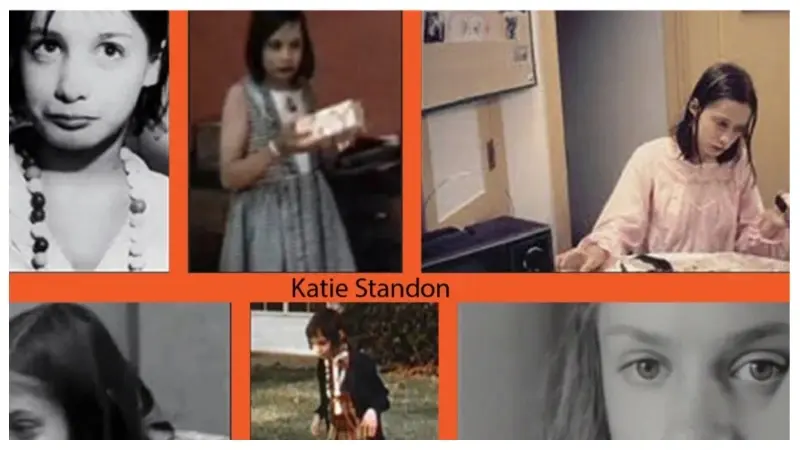
Her case gained significance because it raised deep questions about human development, the potential for recovery, and the crucial role of nurturing in shaping a person’s abilities and character.
Katie Standon’s Parents
Many people wonder about Katie Standon’s parents, but very little verified information exists. Her biological parents have never been publicly identified, and official reports did not disclose their names or personal details.
The secrecy around her family is largely due to the sensitive nature of her case and the strict privacy protections implemented after she came under state care. What is known is that Katie was removed from her biological family because of severe neglect and placed under the care of social workers, foster families, and trained professionals who focused on her rehabilitation.
Rather than being raised by her parents, Katie’s development depended on the guidance and support of caregivers who dedicated themselves to her therapy and education. The absence of parental involvement contributed to the unusual nature of her story and helped fuel the exaggerated portrayals that appeared in the media.
Media Spotlight and Public Reactions
Katie Standon’s story came into the media spotlight in the mid-1990s, especially following the release of the television movie Wild Child: The Story of Feral Children. While the film took creative liberties, it was widely associated with her case and sparked intense public curiosity.
News outlets, talk shows, and documentaries began covering her story, often framing her as both a symbol of survival and resilience and a subject of sensationalism. This attention brought sympathy but also exposed her to unwanted scrutiny.
For Katie, the media focus was a mixed experience. On one hand, it drew attention to her case, encouraging study and support; on the other, it invaded her privacy and turned her personal hardships into a public spectacle. Those close to her noted that she never sought fame and often struggled with the overwhelming attention and emotional strain.
Psychological Evaluations and Therapy
After Katie Standon was discovered, social workers and mental health professionals took responsibility for assessing her condition and helping her develop essential skills. Psychologists evaluated her language abilities, emotional responses, and cognitive functioning, determining that she needed extensive and ongoing therapy.
In the years that followed, Katie participated in specialized programs aimed at teaching communication, reading, and social interaction. Caregivers observed that her progress was gradual but consistent, and she demonstrated a strong determination to learn and adapt.
Therapists highlighted her resilience, noting that she gradually built trust with a small group of caregivers and acquired basic skills necessary for daily life. Although her development did not fully align with that of her peers, the combination of professional guidance and her own dedication allowed her to achieve more than many experts had initially expected.
Education and Social Reintegration
Alongside therapy, Katie Standon participated in specialized educational programs designed to meet her unique needs. These programs focused on basic reading skills, social interaction, and trust-building, aiming not only to provide academic learning but also to help her reintegrate into society. Teachers noted that she showed a genuine interest in learning, despite the challenges of catching up after years of neglect.
Social reintegration proved to be one of the most difficult parts of her journey. Building relationships and interacting with peers required her to overcome the effects of long-term isolation. Reports indicate that she made steady progress, often impressing educators with her determination and perseverance.
Her gradual ability to function effectively in group settings became a major milestone in her rehabilitation. It demonstrated that, even after significant hardship, consistent support and effort could enable meaningful social integration.
Adulthood and Desire for Privacy
As Katie Standon grew into adulthood, her strong preference for privacy became one of the defining aspects of her life. After years of being observed, interviewed, and portrayed in media accounts, she intentionally chose to step away from the public eye. Former caregivers noted that she favored a quiet life, focusing on establishing a stable routine away from cameras and reporters.
There are indications that she may have legally changed her name to distance herself from her past and create a fresh identity, allowing her to live without the constant attention of the media. While these details remain private and unconfirmed, the very scarcity of information about her adult life suggests that Katie successfully managed to remove herself from the spotlight and maintain her personal privacy.
Emotional and Social Development
Katie Standon’s adult life continued to be shaped by therapy and structured support systems. She reportedly lived in group housing programs designed for adults with developmental challenges, where the focus was on life skills, building interpersonal relationships, and receiving emotional support. Caregivers observed that she enjoyed creative activities such as drawing and music, which not only allowed her to express her emotions but also helped her connect with others socially.
Although her capacity to form bonds was limited, those relationships were described as sincere. She often took part in group activities and therapy sessions, demonstrating engagement and effort. While she may not have reached full emotional independence, her resilience and ability to find satisfaction in everyday routines reflected significant progress compared to the struggles she faced during her early years.
Professional Life and Contributions
Although Katie Standon did not follow a traditional career path, she participated in sheltered employment programs and volunteer opportunities that allowed her to make meaningful contributions to her community. Her strong connection with animals, likely influenced by her unique early experiences, made her particularly effective in settings such as animal shelters and pet care facilities.
Caregivers frequently noted her natural ability to bond with animals, which provided her with a sense of purpose and calm. These steady, small contributions to community life demonstrated the value she added to those around her, even without conventional career achievements. For Katie, maintaining stability, following a routine, and engaging in meaningful activities were far more important than recognition or accolades.
Where Is Katie Standon Now?
Many people wonder about Katie Standon’s current whereabouts. While details are not confirmed, reports suggest she may be living in a private or assisted living facility, possibly in California. She has intentionally kept her life out of the public eye, with no verified photos, interviews, or social media presence.
This decision reflects her longstanding desire to step away from media attention and lead a peaceful, private life. Although the full details of her current situation remain unknown, it is clear that she prioritized stability and well-being over public curiosity, choosing to live life on her own terms rather than under the spotlight.
The Legacy of Katie Standon
Katie Standon’s life continues to hold significance well beyond her personal story. Her case remains a reference in academic discussions on psychology, trauma recovery, and the ethics of studying vulnerable individuals. She stands as an example of human resilience and the potential for healing, even after enduring severe neglect.
At the same time, her story highlights complex questions about media responsibility and the importance of privacy, as her early experiences were often sensationalized, blurring the lines between fact and fiction.
For professionals in child welfare, education, and therapy, Katie’s journey serves as both an inspiration and a cautionary tale. It underscores the need for compassion, ethical storytelling, and the protection of vulnerable individuals in all areas of society.
Conclusion
Katie Standon’s life reflects remarkable resilience, struggle, and the pursuit of peace. From a childhood marked by neglect and isolation to an adulthood shaped by therapy, education, and a commitment to privacy, her story challenges common assumptions about human development and survival. Though she no longer appears in media headlines or documentaries, her journey continues to influence discussions on psychology, child welfare, and ethical storytelling.
For those still wondering, “Where is Katie Standon now?” the answer lies not in sensationalized accounts but in her deliberate choice to live privately. By prioritizing stability and dignity over public attention, Katie Standon demonstrates that true resilience often manifests quietly—in the consistent effort to reclaim one’s life and well-being.
FAQs
1. Who is Katie Standon?
Katie Standon became widely known through the “feral child” narrative of the 1990s. Reports described her growing up with minimal human contact, and her case captured global attention, sparking debates about psychology, child neglect, and human development.
2. Was Katie Standon really raised by animals?
No credible evidence supports the idea that Katie was raised by animals. Experts agree that her situation was more likely caused by severe neglect and a lack of human interaction, rather than the sensationalized stories often portrayed in the media.
3. Where is Katie Standon now?
Katie is believed to be living privately in an assisted or supported living setting, possibly in California. She has intentionally avoided media exposure and does not maintain a presence on social media platforms.
4. Did Katie Standon change her name?
Although not officially confirmed, several sources suggest that Katie may have legally changed her name in adulthood to protect her privacy and separate herself from past media attention.
5. Why is Katie Standon’s story still significant today?
Her journey remains important for psychologists, educators, and child welfare professionals. Katie’s story illustrates human resilience, the challenges of overcoming trauma, and the ethical considerations necessary when reporting on vulnerable individuals.